

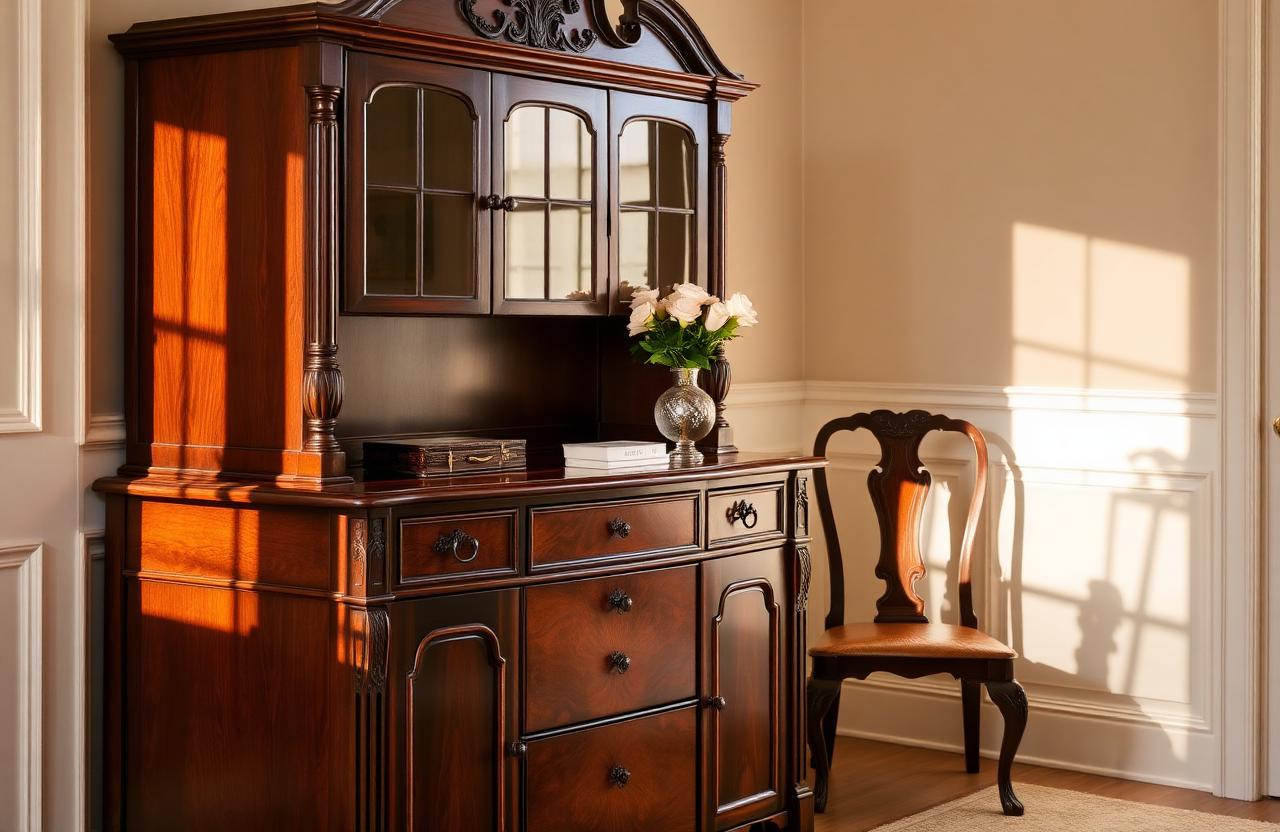
Antique furniture wasn't built to be moved. It was built to sit in one room of one house for a hundred years. When you ask it to ride 800 miles in the back of a truck, you're asking something it was never designed to do — and the way you prepare it is the single biggest factor in whether it arrives the way it left.
Start with a Condition Report
Before anything is wrapped or touched, walk around the piece with a phone camera and take detailed photos from every angle, including close-ups of any existing cracks, veneer lifts, loose joinery, or finish wear. This isn't paranoia — it's the baseline that protects both you and the carrier if something needs to be addressed on arrival.
Remove What Can Be Removed
Drawers, shelves, glass panels, marble tops, and decorative hardware should all come out before the piece moves. Loose components inside a transit-jostled cabinet are the most common cause of interior damage we see. Wrap each removed piece separately and label it so reassembly is straightforward.
Wrap in the Right Order
Soft cotton or unbleached muslin goes against the finish first — never plastic, which traps moisture and can lift varnish over a long haul. Moving blankets layer over that, then corrugated edge protectors on corners, and finally shrink wrap to hold everything in place. Skipping the muslin layer to save time is the most expensive shortcut you can take with a finished antique.
Climate Matters More Than You Think
Wood expands and contracts with humidity. A piece that lives in a 50% humidity Philadelphia home and gets shipped to Florida in August will move, sometimes dramatically. A climate-aware carrier plans the route, the timing, and the truck so the piece isn't sitting in extreme conditions for hours at a time.
When you book a long-distance move for anything older than your grandparents, ask the carrier specifically how they handle wrapping, climate, and condition documentation. The answer tells you everything.